

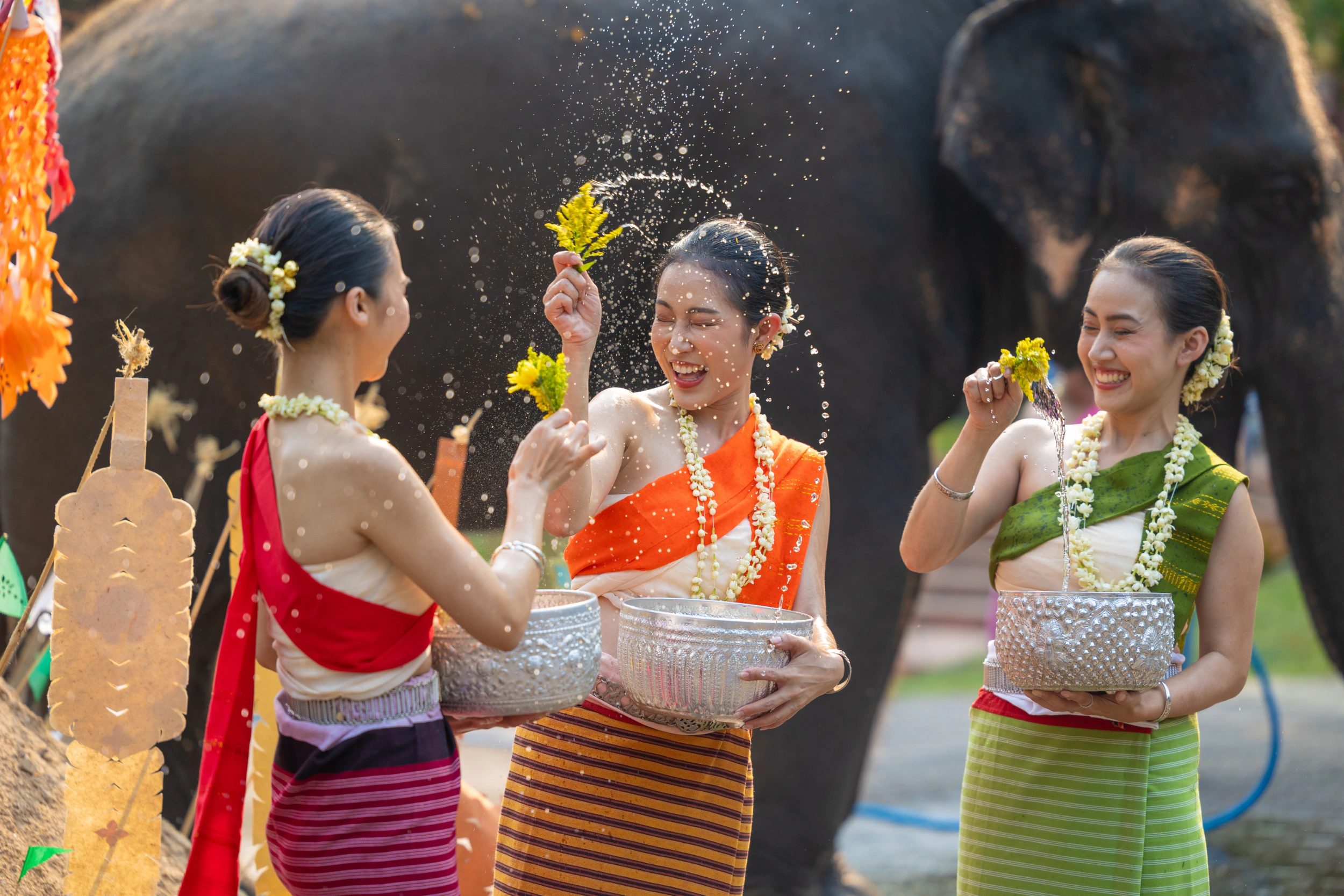
Every April, Thailand changes pace. Streets grow livelier, certain neighborhoods turn into celebration zones and one of the country's most distinctive festivals begins to shape the atmosphere from major cities to island towns.
For many travelers, Songkran is the moment they associate most strongly with festival season in Thailand. It is often reduced to water fights, but that only captures the most visible part of it. Songkran marks the traditional Thai New Year and remains one of the country's most important annual celebrations, rooted in renewal, cleansing, family and ritual.
What matters most for travel planning is that Songkran does not unfold in the same way everywhere. In one destination, it feels loud, crowded and built around full-scale street energy. In another, it feels more local, more ceremonial, or easier to combine with a relaxed beach stay. The best Songkran experience is not necessarily the biggest one. It is the one that fits the kind of Thailand trip you actually want.
Songkran is the traditional Thai New Year, celebrated each year in mid-April. Internationally, it is often described as Thailand's water festival, which makes sense because water is by far the most visible element of the celebration. But Songkran is about far more than getting drenched in the street. At its core, it is tied to cleansing, renewal and the symbolic idea of starting the new year with freshness and good fortune.
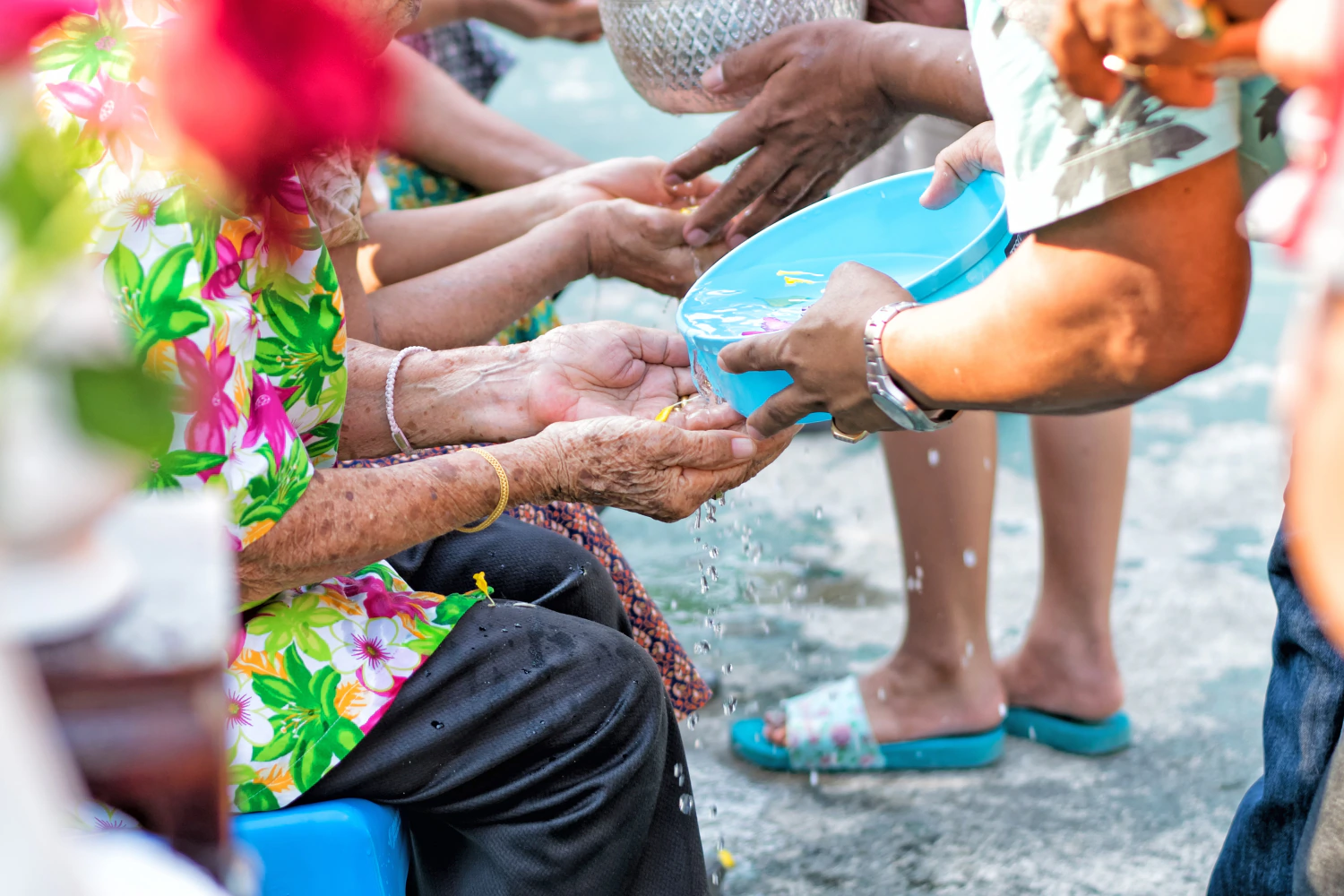
That is why Songkran remains one of Thailand's most meaningful annual celebrations. Alongside the playful public atmosphere many travelers know, the holiday is also associated with temple visits, family gatherings, gentle water blessings and gestures of respect, including pouring scented water over Buddha images and the hands of elders. These traditions give the festival its depth and are part of what makes it feel so distinctly Thai.
For travelers, the most useful thing to understand is that Songkran brings both sides together at once: joyful public celebration and a deeply rooted cultural holiday. You do not need to immerse yourself in every ritual to appreciate it, but understanding what it represents makes the experience feel richer, more grounded and far more connected to place.
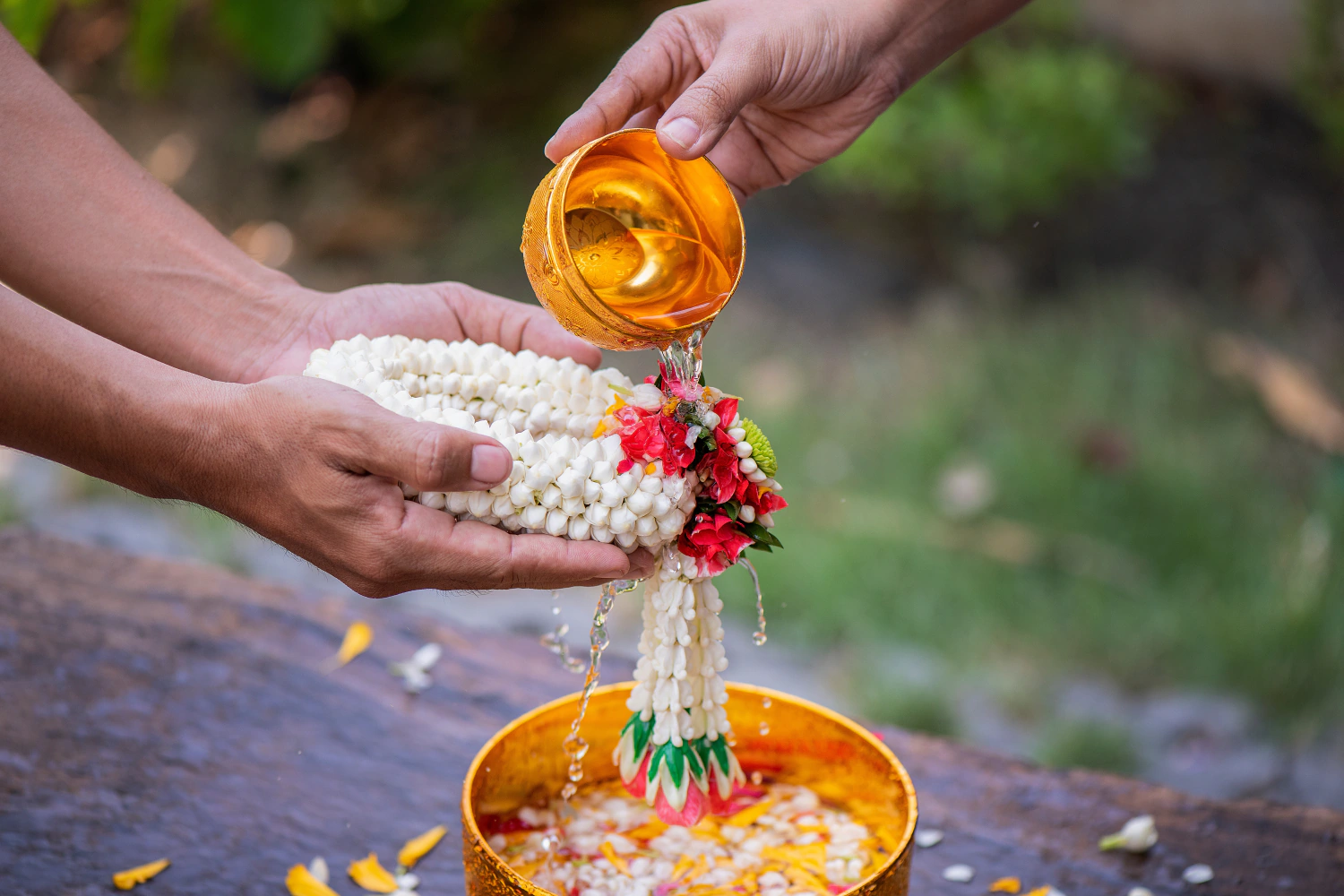
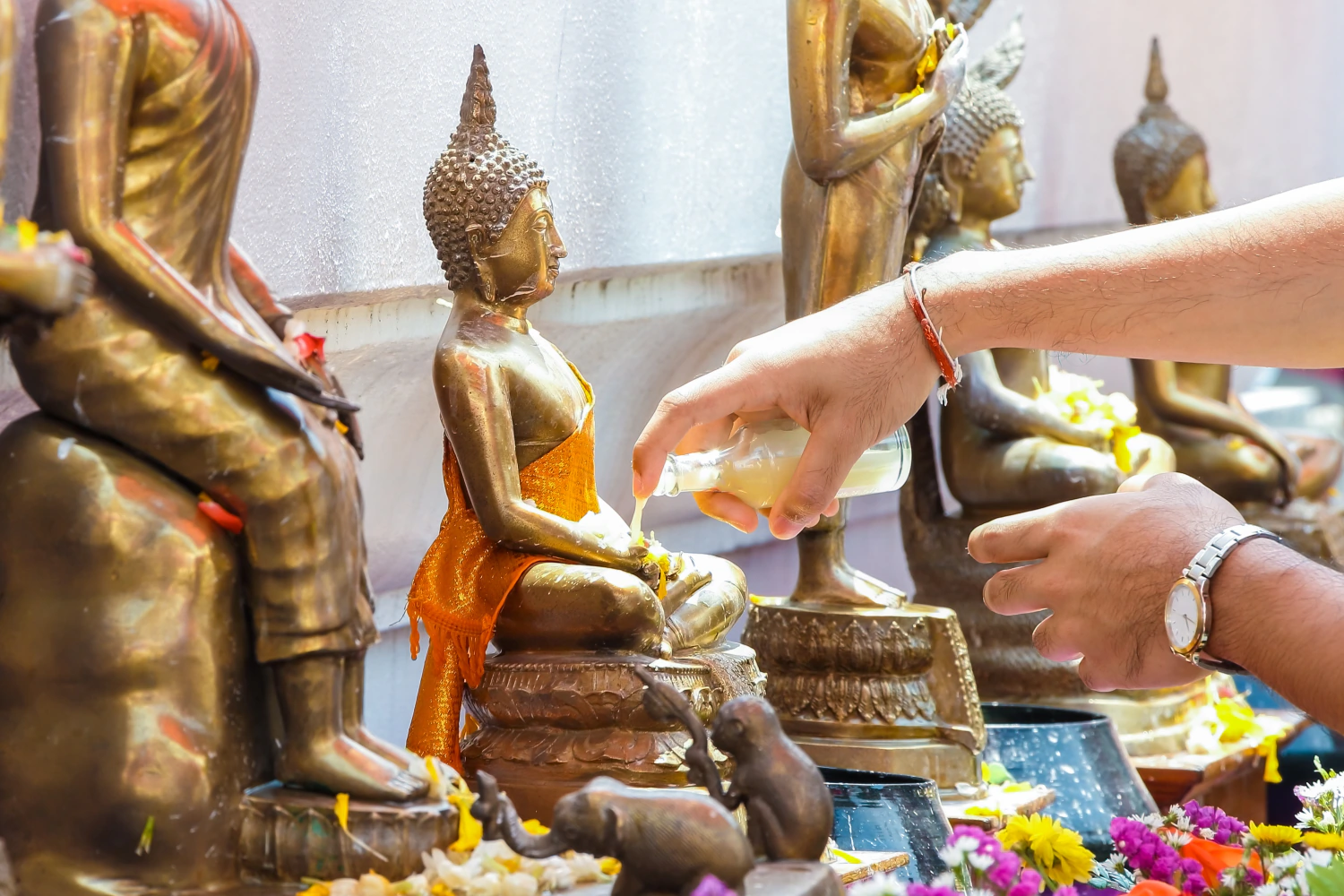
Songkran in Thailand takes place every year in mid-April, with the main festival period centered on 13 to 15 April.
That is the clearest answer, but in practice the atmosphere often starts building before the official peak and may continue slightly beyond it depending on the destination. Some places feel festive for several days, while others stay relatively calm outside a few key streets or celebration zones.
This matters more than many first-time visitors expect. Songkran is not the kind of event you want to walk into by accident without knowing what is happening. It is much better to understand the timing in advance, choose your base carefully and decide whether you want to stay close to the action or somewhere that gives you more control over how much of it you experience.
If your Thailand trip overlaps with Songkran, it can easily become one of the most memorable parts of the holiday. It simply helps to know which version of it you are stepping into.
One of the most common misconceptions about Songkran is that the whole country turns into one giant water fight. It does not.
What really happens is more defined than that. Certain roads, districts, old towns, nightlife areas and beach-town centers become the main celebration zones, while many other places continue more or less normally. You might spend the morning at your resort, go out for lunch as usual and only feel the full force of Songkran once you enter the right part of town. In another setting, simply stepping out of your hotel can place you directly in the middle of it.
That is why choosing the right base matters almost as much as choosing the right destination. The experience is shaped not only by whether you are in Bangkok, Chiang Mai, Phuket, or Koh Samui, but by which part of that destination you stay in and how close you want to be to the busiest areas.
You should also expect clear shifts in mood throughout the day. Some places feel more approachable earlier on and more intense later in the afternoon or evening. Some destinations lean into atmosphere, ceremony and local texture, while others are driven more by crowds, sound and nonstop splashing. In resort settings, the festival may appear in gentler ways through small blessings, decorations, or seasonal touches rather than city-scale chaos.
The most important thing to know is that Songkran is not one fixed experience. With the right destination and the right base, it can be something you join fully, dip into for a few hours, or experience only at the edges.
Bangkok is the right choice if you want Songkran to feel big, loud, crowded and impossible to ignore. This is where the festival can feel most urban and most intense, with entire stretches of the city turning into high-energy public celebration zones.
If you want the Bangkok version most people picture, Silom Road and Siam Square are two of the main names to know. These are the areas where the water fights feel full-scale and where the city leans most visibly into the atmosphere. If you prefer something more event-led, more polished, or a little easier to navigate, Bangkok also offers riverside venues, malls and lifestyle districts that provide a different entry point into the season.
What makes Bangkok compelling is not just scale, but range. It is not one single style of Songkran. You can choose a dense splash zone, a more curated event setting, or a neighborhood that gives you the energy without demanding that you spend the entire day in the thickest crowds.
Bangkok suits travelers who enjoy city breaks, movement, nightlife and the feeling that something is happening all around them. It is exciting, social and often unforgettable. But for travelers looking for calm, space, or a softer first introduction to Songkran, it is usually the least forgiving option.
Chiang Mai is often regarded as one of the most iconic places to experience Songkran in Thailand and for good reason. It has the kind of setting that makes the festival feel immediately memorable: old-city streets, temple surroundings and an atmosphere that feels closely tied to the character of the city itself.
What makes Chiang Mai stand out is not simply the scale of celebration, but the way it feels rooted in place. Bangkok gives you scale; Chiang Mai often gives you atmosphere. The Old City moat is the area most strongly associated with the large-scale water-fight atmosphere and during Songkran it becomes one of the city's main celebration circuits. If you want the version that feels most classic and instantly recognizable, Chiang Mai is one of the strongest choices in the country.
At the same time, Chiang Mai is not only about splash-zone intensity. Areas around important temples and places such as Tha Phae Gate often give the festival more dimension, with a stronger sense of ceremony, local rhythm and cultural texture. That is part of what makes Songkran here feel less generic and more inseparable from the destination itself.
For travelers who want Songkran to feel atmospheric, iconic and culturally anchored, Chiang Mai is one of the best places to choose. It can still be intense, but it often feels more immersive than overwhelming.
Phuket is not the quiet option. It is the most flexible one.
If you want the biggest and wildest version of Songkran in Phuket, Patong Beach and especially Bangla Road are the obvious answer. This is where the party atmosphere, the densest crowds and the most relentless water fights come together. If you want another major celebration zone with a different tone, Phuket Old Town is one of the island's main focal points during Songkran, especially around its central streets where the mood turns lively, social and packed.
That distinction matters because Phuket Town is not calm. It is one of the island's main places to experience the festival properly. It feels more local, more street-led and more community-driven than a resort area, while Patong is more overtly party-focused and can become overwhelming more quickly.
Then there are areas such as Saphan Hin, which often feel more local in character and beach bases such as Kamala, Kata, Karon, Bang Tao and Mai Khao, which are easier to use as calmer hotel areas. These parts of Phuket are not disconnected from Songkran, but they usually let you stay on the island without feeling pulled into the biggest celebration zones all day long.
That is exactly what makes Phuket so appealing for many travelers. You can head properly into the action, especially in Patong or Phuket Town, without building the entire trip around it. You can stay somewhere more relaxed, join the celebrations early, enjoy them while the atmosphere still feels fun and leave before traffic and crowd density start to wear on the day. More than anywhere else, Phuket lets you shape Songkran around the holiday you actually want.
Koh Samui is sometimes described as relaxed, but that word on its own does not really do it justice. A better way to think about Samui is as an island with a softer overall holiday rhythm that still has very real Songkran hotspots.
If you want the livelier side of Songkran on Samui, Chaweng is the clear focal point. That is where the island's energy is most concentrated and where the atmosphere comes closest to a proper party zone. Bo Phut and Fisherman's Village can also feel lively, but they are usually easier to manage and a little more contained in mood. Then there are quieter stretches of coastline and more removed hotel settings where the festival stays mostly in the background rather than defining the day.
That is what makes Samui so useful for travelers who want a balance between seasonality and ease. It is not that there is no real Songkran there. It is that the island allows you to combine the festive period with a broader beach holiday and decide much more freely how much of the action you actually want.
So if Bangkok is about scale, Chiang Mai about atmosphere and Phuket about flexibility, then Koh Samui is about balance. You can still feel the excitement of Songkran, but you can return to a slower island pace much more easily than in a high-intensity city setting.
One of the best ways to enjoy Songkran is not to treat it like an all-day endurance event. In most destinations, it works far better to choose your moment.
That might mean heading into the main celebration area earlier in the day, enjoying the atmosphere while it still feels playful rather than exhausting and then stepping away again for lunch, pool time, beach time, or a slower evening. In island destinations especially, Songkran often feels most enjoyable as one vivid part of the day rather than the whole day's plan.
It is also worth leaving room for the traditional side of the holiday, even if that is not your main reason for being interested in it. Temple visits, gentle water blessings and the symbolic rituals behind Songkran are part of what make the festival feel culturally grounded rather than simply chaotic. Some travelers will want to engage with that side more deeply, while others may only want a glimpse of it, but either way it adds another layer to the experience.
That middle ground is often where Songkran feels most rewarding. It becomes part of the trip, not the entire trip.
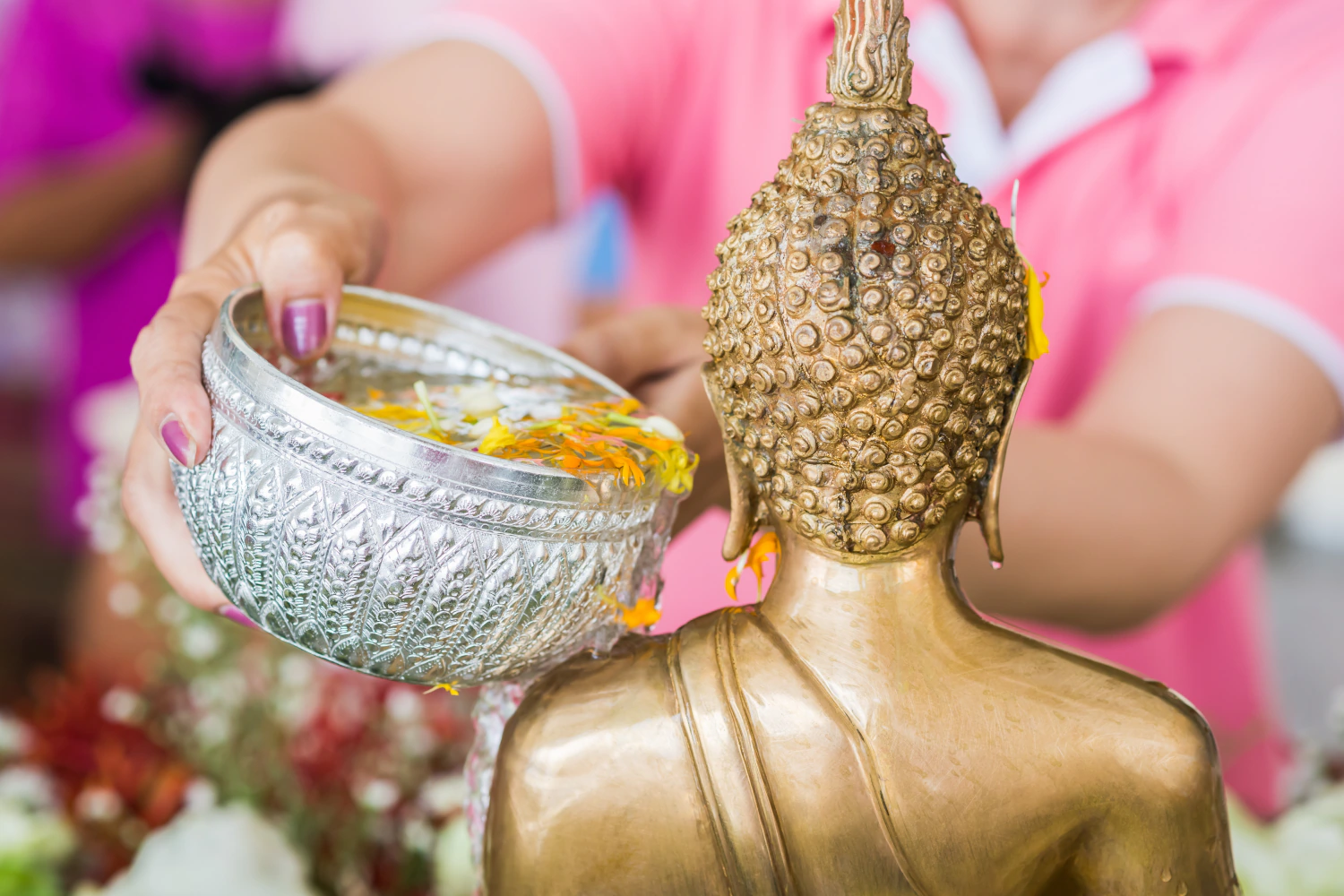
Yes – absolutely. In many ways, Songkran can be a fantastic experience for families. At its most visible level, it is a giant water fight and for children that alone can make it one of the most exciting times of year to be in Thailand. Beyond that, the festival is deeply tied to family and in many places the atmosphere feels joyful, welcoming and surprisingly easy to enjoy together.
What matters is not whether Songkran itself is family-friendly, but which version of it you choose. If you head straight into the busiest party zones late in the day, it can feel overwhelming. But if you choose the right area, go earlier and build the day around the kind of experience you actually want, Songkran can be incredibly fun with children.
This is one reason island destinations often work so well for families. In Phuket, for example, there is a huge difference between spending the day around central Patong and experiencing Songkran from a calmer base with the option to join in for a while and then step away again. The same applies to Koh Samui, where some areas feel much easier and more controlled than the busiest hotspots. Resorts can also make a big difference, as many create their own softer version of Songkran through small celebrations, family activities, or child-friendly programming.
So yes, Songkran can definitely be family-friendly. In fact, for many families it can become one of the most memorable parts of a Thailand trip. The key is simply to choose the right location, the right time of day and the right level of involvement.
This is where small details make a real difference.
A waterproof phone pouch is essential. Bring as little as possible into the busiest celebration zones and keep cash, your phone and your hotel key or room card properly protected rather than loose in a pocket or regular bag.
Footwear matters too. Flip-flops are rarely a good idea in active Songkran areas because wet roads, powder and constant splashing make them slippery and unstable. Secure sandals or closed-toe water-friendly shoes are usually far easier to walk in. Quick-dry clothing helps as well and darker colors tend to be more practical than white once everything is soaked.
Hydration matters more than many people expect. Songkran is wet, but it still takes place in intense April heat. Drink water, take breaks and do not let the fact that you are soaked trick you into underestimating how hot the day actually is.
And the most useful practical advice is simple: go early, stay in one zone and avoid spending the day crossing the destination from one hotspot to another. If you want Patong, Phuket Town, Silom, the Chiang Mai moat, or a busy area of Samui, get there early, enjoy it properly and leave before the worst traffic and gridlock set in. That is often the difference between a memorable day and an exhausting one.
Water guns are easy to find before and during Songkran, so there is no need to overthink bringing one with you. If you want to join in, you will usually find one without much effort.
Yes, absolutely, but not because everyone should be chasing the wildest possible version of it.
Songkran is worth experiencing because it gives you a very particular version of Thailand. For a few days, the atmosphere shifts, certain places become much livelier and destinations you may think you know can feel entirely different from the way they do during the rest of the year. That is what makes it so memorable, whether you dive into it fully or experience it in smaller doses as part of a wider trip.
For some travelers, Bangkok will be the right choice because they want scale and nonstop energy. For others, Chiang Mai will feel more iconic and more atmospheric. Many will find that Phuket offers the best balance between celebration and comfort, while Koh Samui makes the most sense for a softer island holiday with a seasonal edge.
The point is not to find the loudest version. It is to find the one that matches the kind of Thailand journey you want to have.
Done well, Songkran becomes far more than a few wet days in April. It becomes one of the most interesting times of year to see how differently Thailand can feel from one destination to the next.
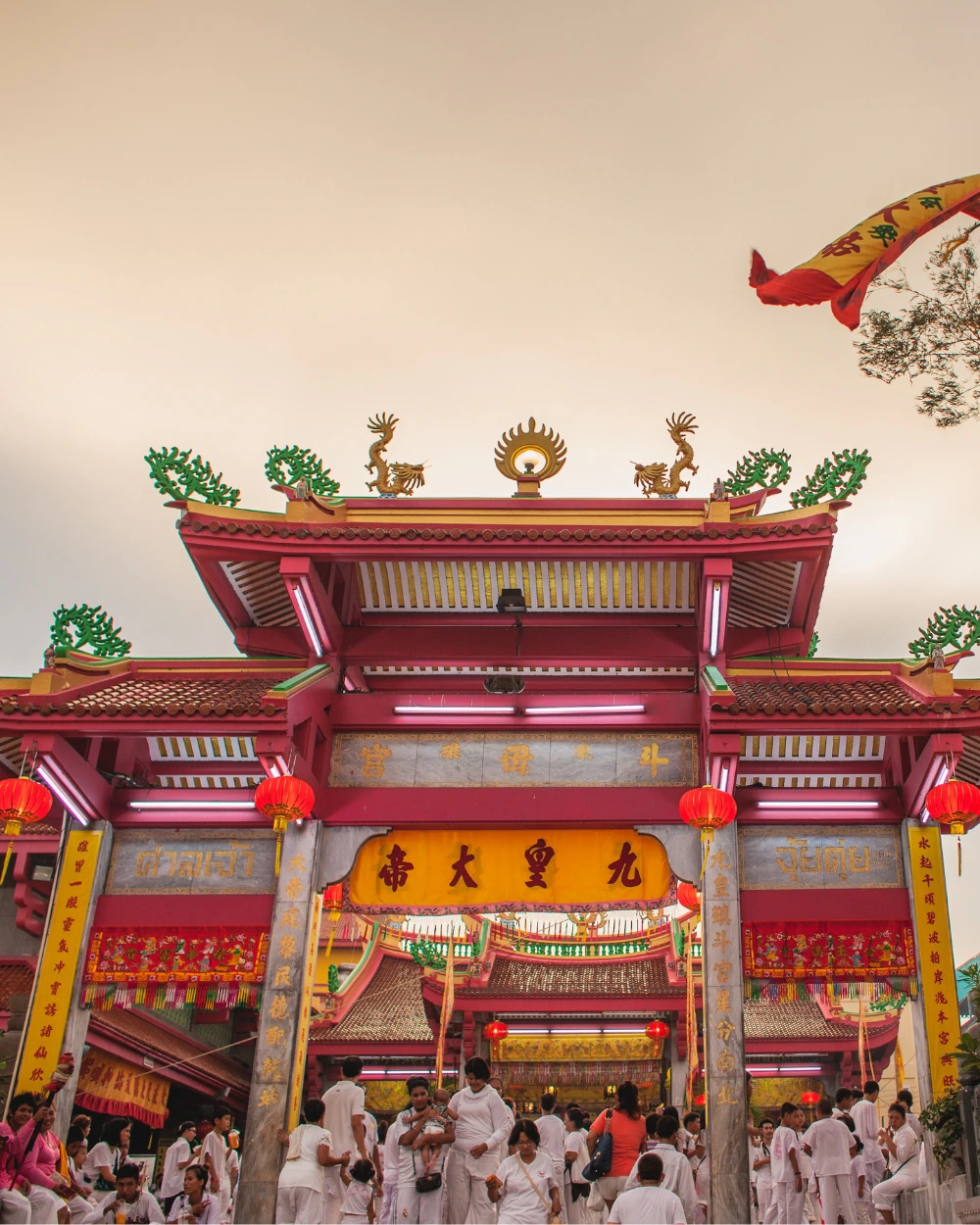
Phuket, often referred to as the Pearl of the Andaman Sea, is the largest island in Thailand and a major tourist and business center of the country. The island is known for its stunning white sandy beaches, vibrant nightlife, diverse food culture and beautiful temples. In addition to the world-famous tourist attractions, Phuket also offers many lesser known, unspoiled places to discover. A particular highlight is the annual Vegetarian Festival, which is deeply rooted in the island's history and culture.
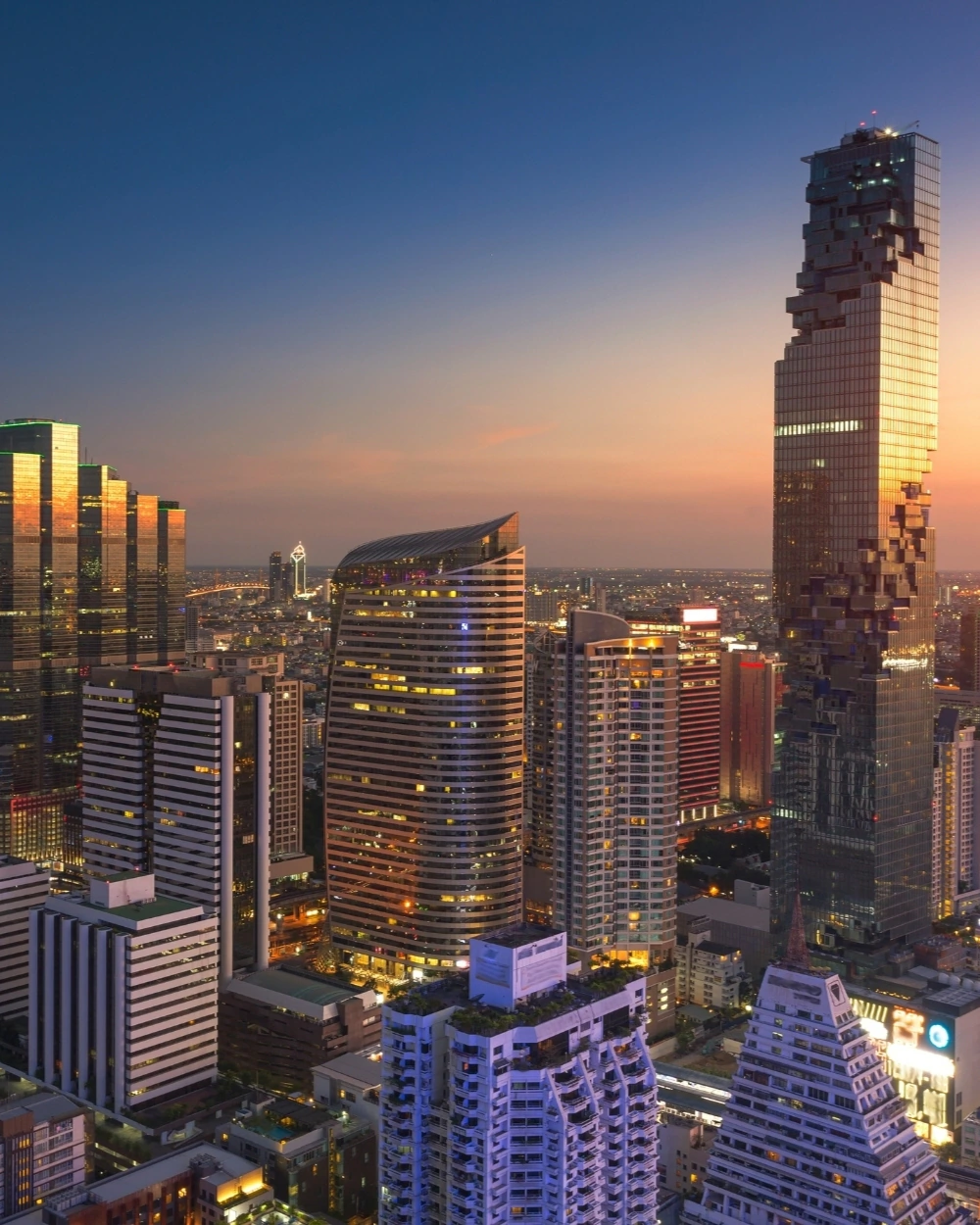
Bangkok, the vibrant metropolis of Thailand, is not only known for its impressive temples and historical sights, but also for its vibrant city life that will captivate every visitor. In the second part of our guide, we take you into the colourful world of Bangkok's floating markets, famous street markets and delicious cuisine. Discover the best ways to get around this bustling city, from the speedy Skytrain to the traditional Tuk Tuk and relaxing boat trips on the Chao Phraya. Indulge in the city's culinary delights and best restaurants, and enjoy breathtaking views from Bangkok's famous rooftop bars. Whether you're looking for authentic experiences, unforgettable flavours or a relaxing evening in one of the city's green oases – Bangkok has something for everyone!
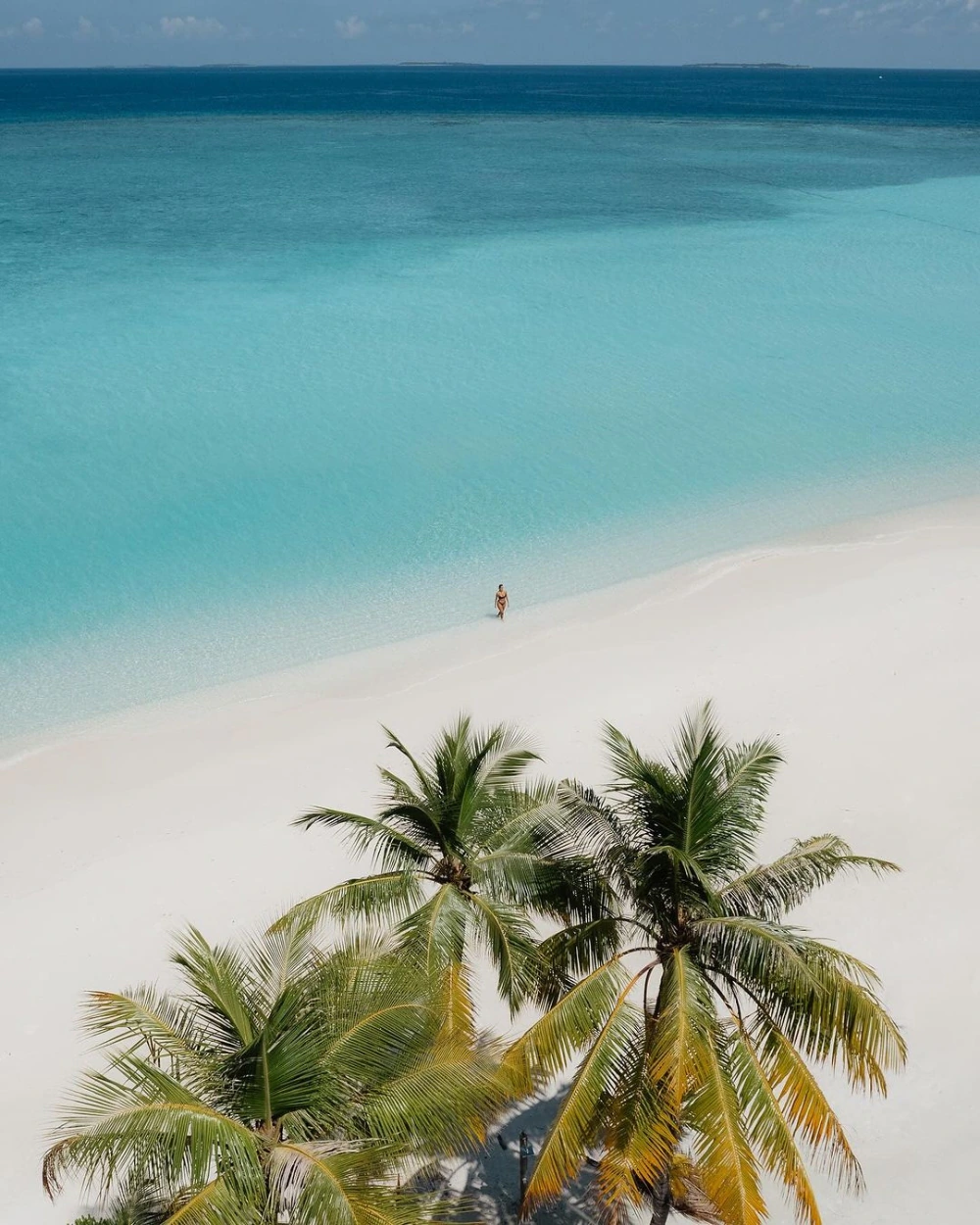
Phuket is one of Thailand's most popular islands and offers a variety of activities and sights for first-time visitors and returners alike. From impressive temples to scenic viewpoints and exciting excursions to neighboring islands – here's your ultimate guide to the must-do experiences in Phuket!
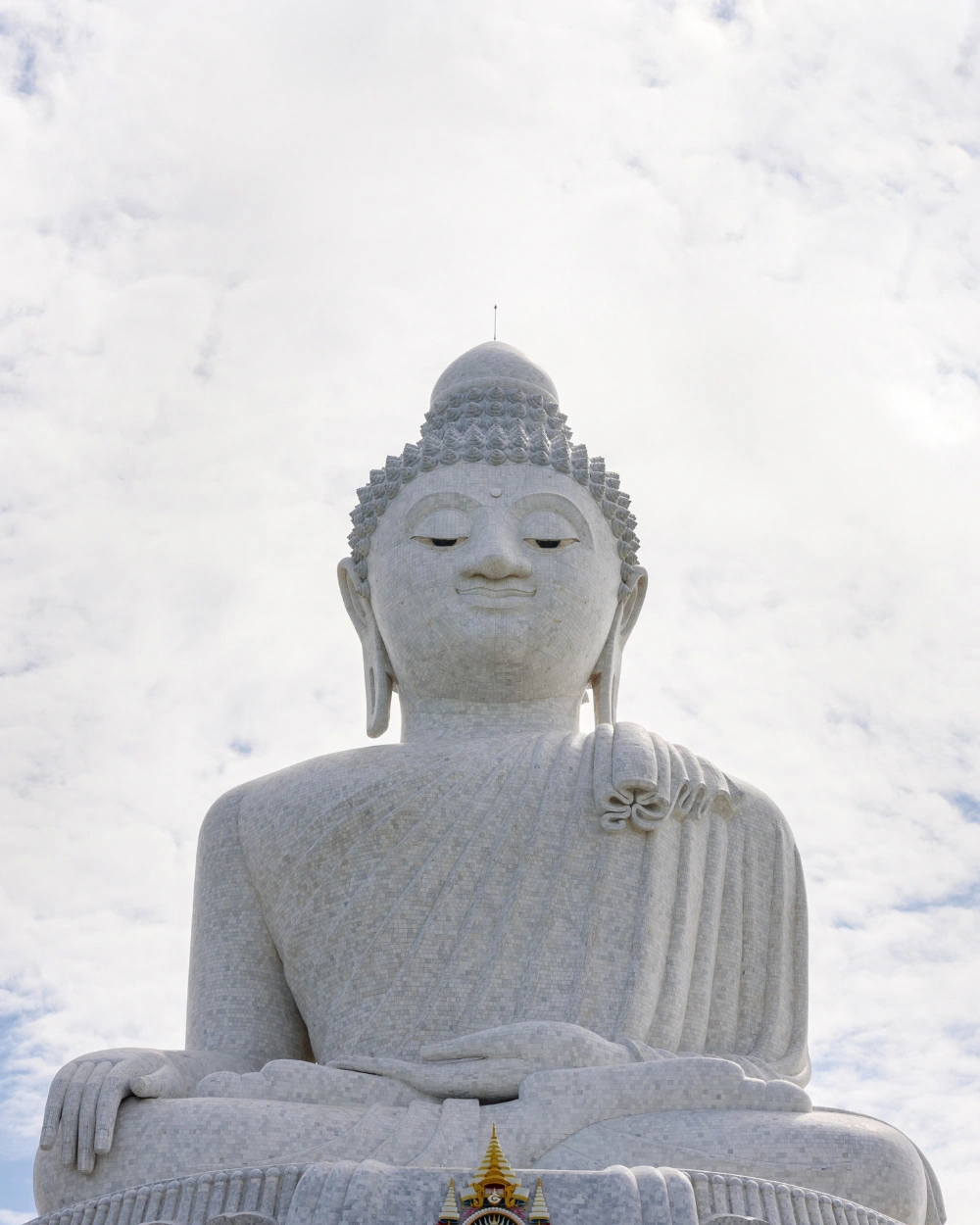
The Big Buddha, one of Phuket's most famous sights, rises majestically on Nakkerd Hill and offers not only an impressive sight, but also a deep insight into Thai culture and spirituality. This 45 metre high statue, made of white marble, attracts thousands of visitors every year who come to enjoy the tranquillity and spectacular views of the surrounding landscape. The Big Buddha is not only an iconic landmark, but also an important religious symbol for the local Thai people.
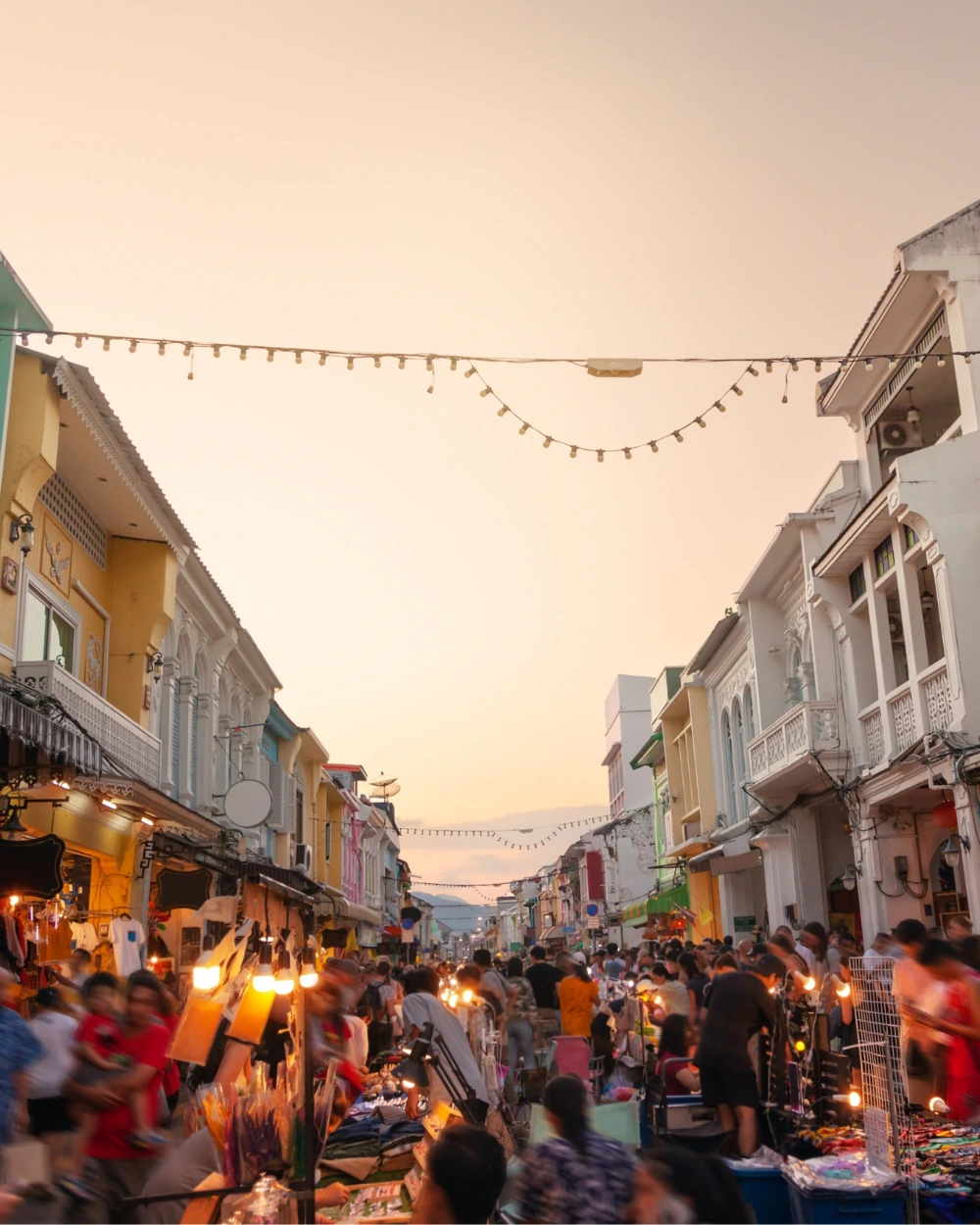
Phuket Town is famous for its vibrant night markets, where locals and tourists alike can immerse themselves in the rich culture, delicious food and lively atmosphere of Thailand. Two of the most popular night markets in Phuket Town are the Sunday Walking Street Market and the Chillva Market. Each offers a unique experience and is a must for anyone exploring the area!
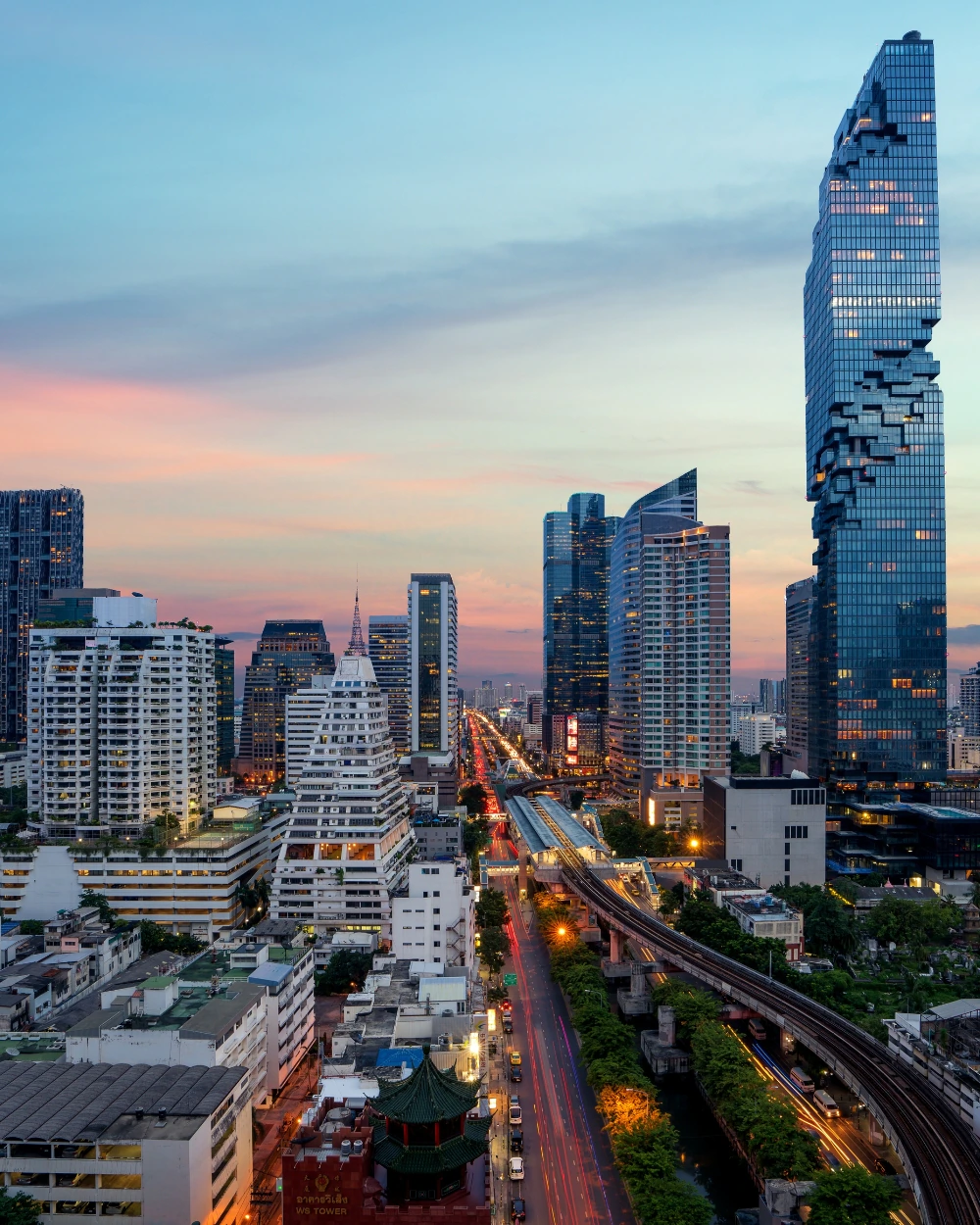
Bangkok, Thailand's vibrant capital, is a city of contrasts. Traditional temples meet modern skyscrapers, bustling markets sit next to luxurious shopping malls, and serene parks face the bustling city life. Bangkok offers a wealth of sights and activities that will captivate you. Whether it's your first time or you want to explore the city – here are the top things to do and places not to be missed. Immerse yourself in the fascinating culture, enjoy the famous street food and experience the vibrant nightlife!
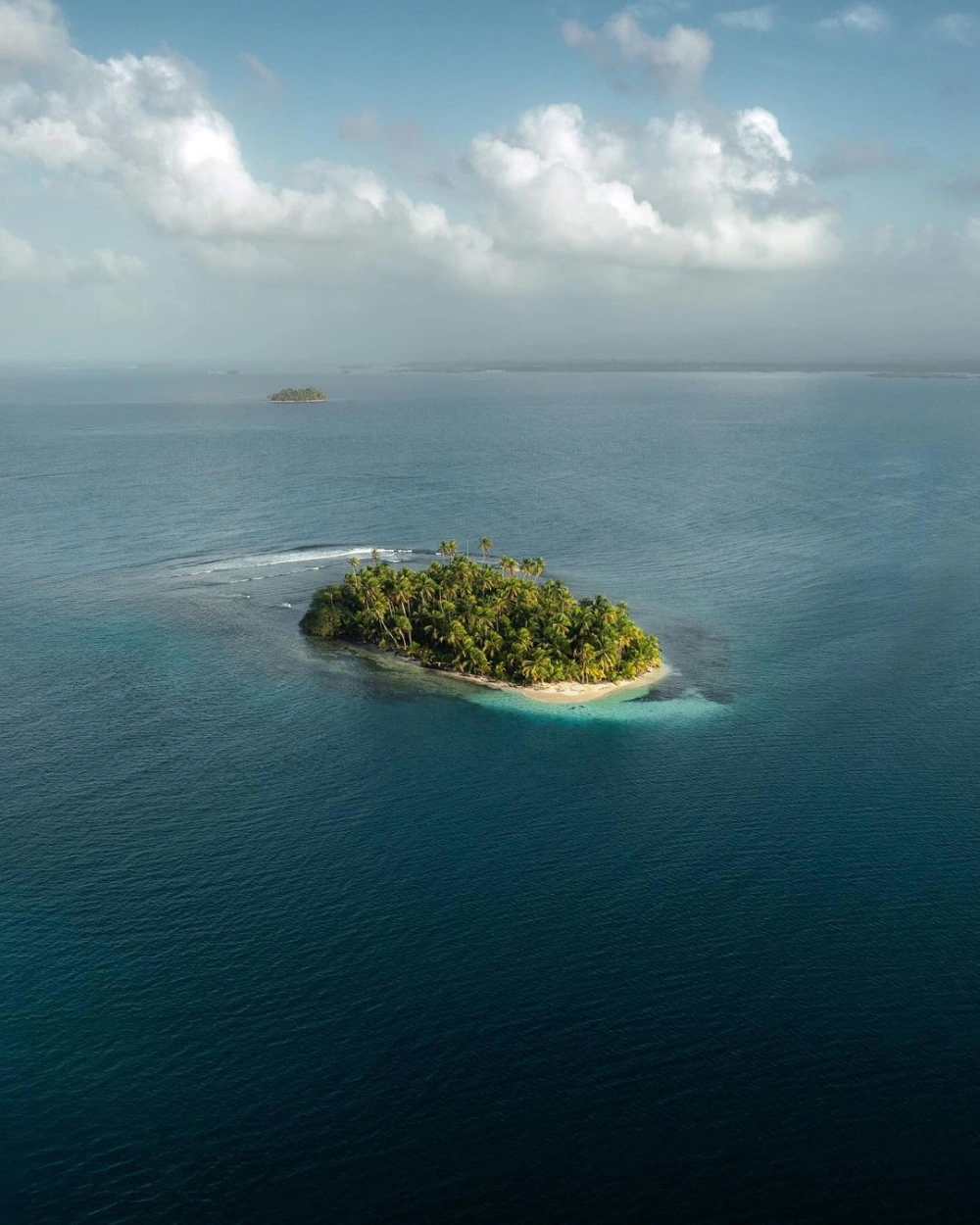
Phuket, the pearl of the Andaman Sea, is a dream destination for beach lovers. With its stunning coastline, turquoise waters and picturesque sunsets, Phuket offers some of the most beautiful beaches in the world. Here are the top ones you shouldn't miss during your stay!

Patong, the vibrant coastal town on the island of Phuket, is known for its exciting nightlife. The infamous Bangla Road is the heart of Patong's party scene, transforming into a lively pedestrian street full of bars, clubs and nightspots after dark. Here you can enjoy a variety of entertainment, from live music and international DJs to spectacular stage shows and dance parties that go on until the early hours of the morning. Amidst this bustling nightlife are two of Patong's hottest nightclubs – Illuzion Phuket and Sugar Club Phuket!
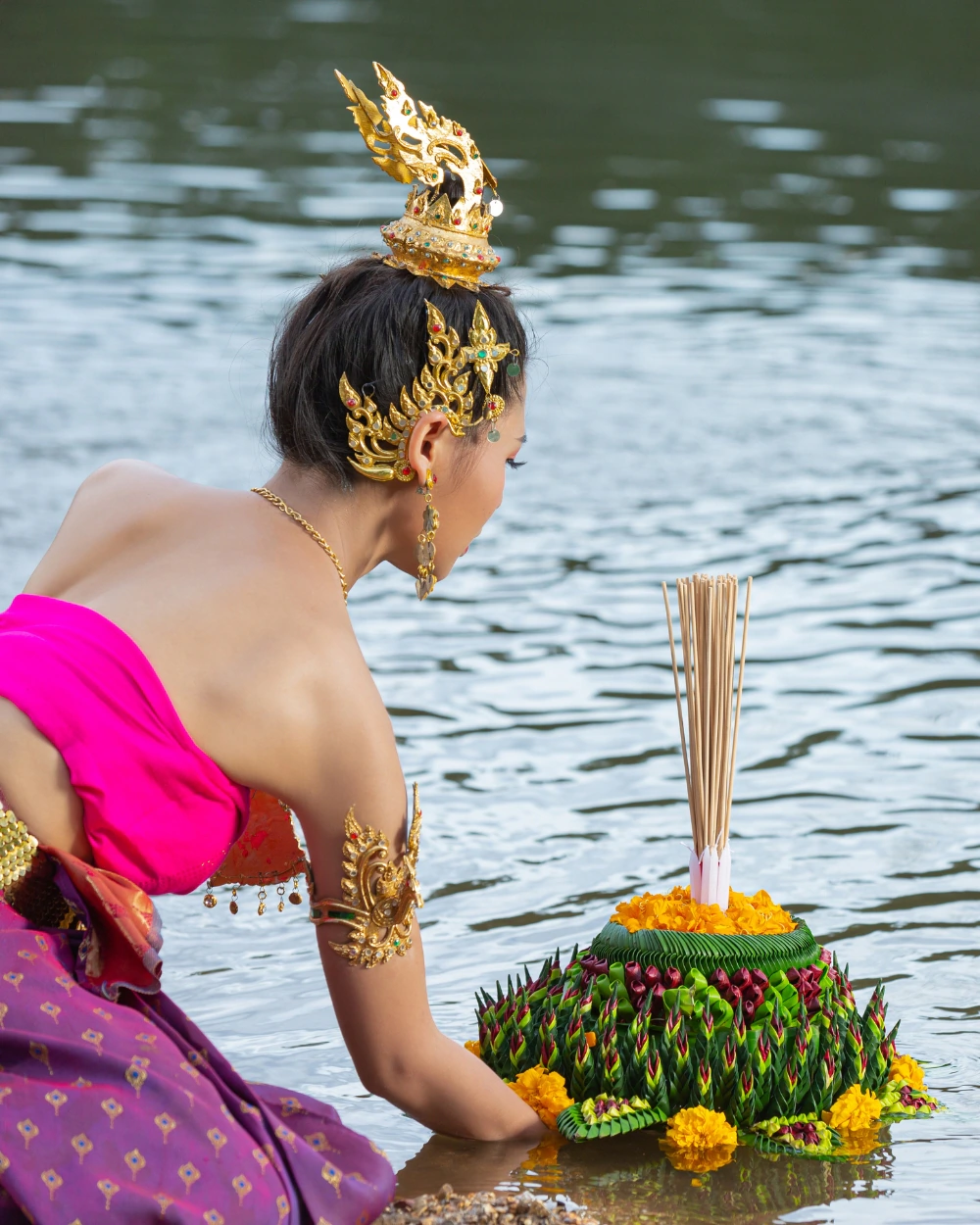
Loy Krathong, one of the most famous and beautiful festivals in Thailand, is celebrated every year in November. It symbolizes the time when the full moon rises on the 12th day of the twelfth month of the Thai lunar calendar. Loy Krathong literally means “floating the krathong”, where a krathong is a small boat or lantern made from banana leaves, flowers and candles. This festival attracts locals and tourists alike and offers a fascinating insight into Thai culture and traditions.
2026 Travelise Media · All rights reserved · Sitemap